

The impact of streaming TV industry

Hi guys, welcome back! Ok, so, last week, I talked about the 2007 Writers Guild of America Strike (or 2007 Writers Strike), and I thought it was an excellent transition to talk about streaming's overall impact on the industry.
Have you ever noticed that network shows have 22 episodes, while streaming services usually have 8-10 episodes. Why is there a difference? Has it impacted the way you consume television?

As one of the first streaming platforms, Netflix started shipping DVDs to your house through the mail in 1997. Then, in 2007, Netflix began streaming content directly to your TV, computer, or tablet through what they called a Watch Now feature.
Then in 2012, Netflix began creating its content with its first show, Lillyhammer, in 2012, followed by the critically acclaimed House of Cards and Orange is the New Black, both in 2013. According to some sources, they've since gone on to produce 1,500 originals and have even become one of the best streaming services to produce original content with massive hits like Stranger Things, Squid Games, and The Crown.

With House of Cards, Netflix was the first streaming service to drop an entire season of episodes for television viewers to watch all episodes at once without waiting each week for the next episode, changing the world of TV forever.
This concept was groundbreaking.
You could watch your favorite TV show whenever and wherever you wanted, instead of waiting for a specific time like with regular network television. With this new inventive approach, TV watchers were still engaged and excited about their favorite shows without waiting. This new concept was much more appealing for the younger generations, such as millennials and Gen Z, who liked to watch shows whenever and on their own time.
During the pandemic, social distancing increased subscriptions to streaming services, and as a result, people started binge watching more.

When broadcast television ruled the TV world, 22 episodes worked. It was successful because broadcast studios needed to make as many episodes as possible to fill content from September to May.
But now with streaming, things have shifted. You can now watch whenever you want. You can watch an entire season all at once. Twenty-two episodes are no longer needed. Plus, attention spans are shorter than ever so viewers would get bored with a 22-episode season.
As a result, many broadcast studios have switched their schedules to accommodate how TV is currently being consumed. AMC’s Breaking Bad adopted this model and only had seven episodes in its first season and continued with shorter seasons throughout its run on the network.
GOODBYE FILLER EPISODES

Filler episodes are simply there to fill airtime in a 22-episode season. With shorter seasons, networks no longer have to put in filler episodes that don't advance the plot or develop characters.
In shorter seasons, writers don't have time to create filler episodes since they need to use every second of an episode order available to develop interesting plot points or characters.
TV SHOW RATINGS

A show's renewal used to be determined by its TV ratings, which told the networks how many people watched it.
When streaming came out, people no longer tuned in at a specific time slot; they viewed whenever they wanted until the next day, which led TV ratings company called Nielsen Ratings added streaming to their data to measure the number of people watching TV,
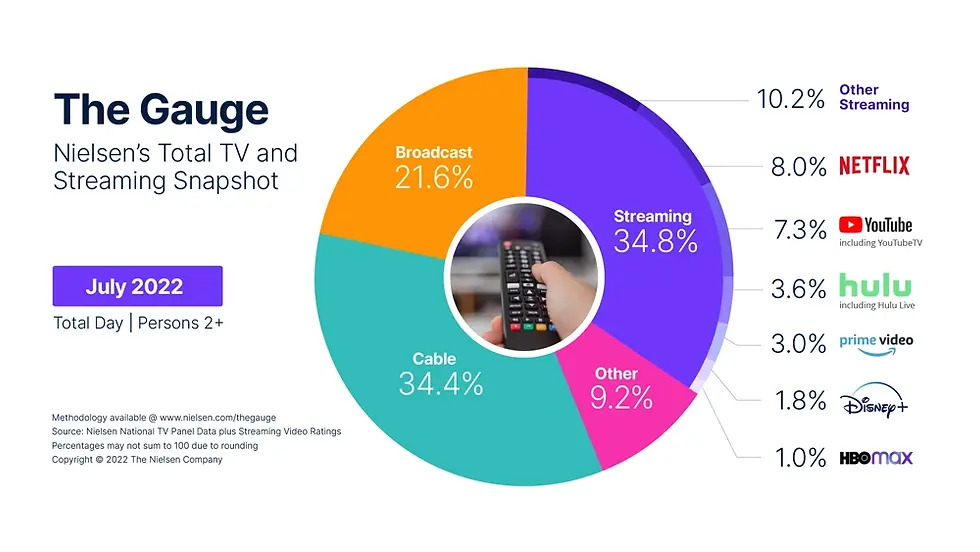
eventually reporting that more people use streaming services than watch broadcast television or cable.
This week, we examined , we will examine impact that streaming on me industry. Next week we are in examining why accuracy in TV shows is important
Wait Before You Leave

Don't forget to follow beyond the actors on Instagram and Twitter, and tune in next for when we discuss impact that streaming on me industry.


Comments